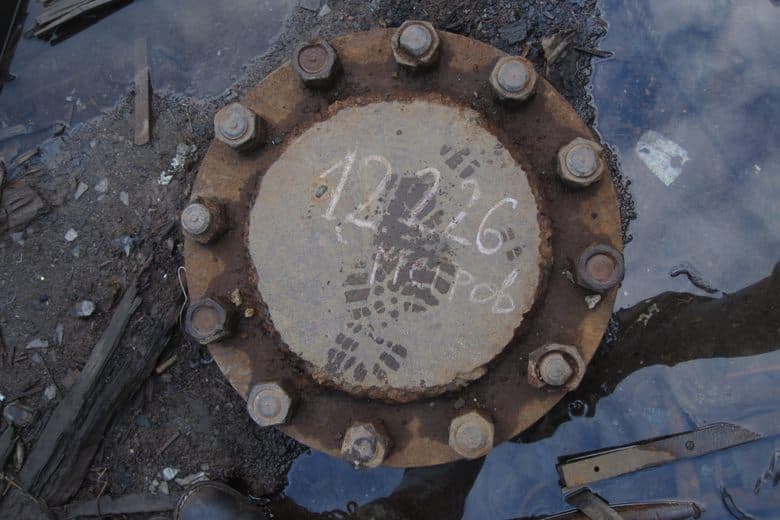
The Kola Superdeep Borehole stands as a testament to humanity's relentless quest to understand our planet. Drilled by the Soviets between 1970 and 1994, it reached an astonishing depth of 12.2 kilometers (7.5 miles), making it the deepest artificial point on Earth. This ambitious project aimed to penetrate the Earth's crust and directly study its composition, challenging existing geological theories and providing invaluable data about the planet's interior.
Visitors interested in the scientific legacy will appreciate the sheer scale of the endeavor. The project yielded surprising findings, such as the absence of the expected granite-to-basalt transition (Conrad discontinuity) and the discovery of microscopic plankton fossils at depths previously thought impossible for life. While the site today is largely a collection of dilapidated buildings and a sealed metal cap over the borehole, its historical significance for geology and deep-Earth exploration is profound.
For those planning a visit, it's crucial to understand that this is not a typical tourist attraction. The site is remote and largely abandoned. Visitors consistently advise that a suitable car capable of handling bad roads is essential. There are no facilities, gift shops, or guided tours. Plan to spend about an hour at the site to take photos and reflect on its history. Bring your own water and snacks, as there are no amenities nearby. The best time to visit would be during the warmer months when road conditions are more favorable, though the weather in Murmansk Oblast can be unpredictable.
The Kola Superdeep Borehole is located approximately 10 kilometers north of the town of Zapolyarny, in the Pechengsky District of Murmansk Oblast, Russia. Given its remote location and the condition of local roads, driving is the only practical way to reach the site. There is no public transport directly to the borehole. The Kola Core Repository, which houses samples from the drilling, is located in Zapolyarny itself, offering a complementary visit for those interested in the scientific output.
A common complaint is the lack of infrastructure and the desolate appearance of the site, which can be underwhelming for those expecting a more developed attraction. To mitigate this, manage expectations by focusing on the historical and scientific context rather than visual appeal. Researching the project's history beforehand will greatly enhance the experience.