The Lenin Museum, located within the Gorki Leninskiye estate, is a striking example of late Soviet architectural propaganda. Conceived in the 1970s and opened in 1987, it was designed to celebrate Vladimir Lenin's achievements and the early Soviet Union, serving as a multifunctional center for party meetings and Young Pioneer ceremonies. Despite the collapse of the USSR shortly after its opening, the museum remains a remarkably preserved showcase of Communist ideology and a testament to a bygone era.
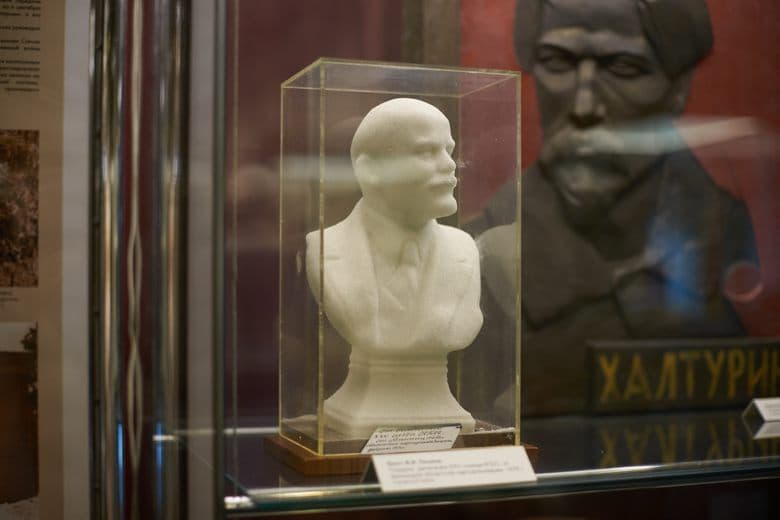
Visitors consistently praise the museum's unique "cubes" – three-dimensional glass displays featuring slide projectors, moving mirrors, and lights, all controlled by 1980s Apple computer equipment. This technological marvel, still intact, offers an engaging and surprisingly modern presentation of historical narratives. Reviewers also highlight the collection of unusual gifts presented to the institution, such as a bust of Lenin made of granulated sugar, which provides an eccentric and fascinating insight into Soviet-era manufacturing and homage. The museum's expansion in the 1990s to include documents from the White Movement adds a layer of historical context, though some note the curated narrative largely omits Lenin's more controversial actions.
To make the most of your visit, allocate at least 2-3 hours for the museum itself, and more if you plan to explore the entire Gorki Leninskiye Museum-Reserve, which includes Lenin's residence and a park. Guided tours in Russian and English are available four times a day from Wednesday to Friday; English tours require advance booking. Consider purchasing a combined ticket that covers the entire complex and multiple tours for a comprehensive experience. Bringing comfortable shoes is advisable, as the estate is extensive. The best time to visit is during weekdays to avoid larger crowds, especially if you prefer a quieter experience.
The Lenin Museum is part of the Gorki Leninskiye Museum-Reserve, located south of Moscow. While specific public transport lines are not detailed in reviews, visitors typically reach the reserve by a combination of suburban train (elektrichka) from Paveletsky railway station to Domodedovo or another nearby station, followed by a local bus or taxi. Driving is also an option, and parking is generally available within the reserve. It is recommended to check the official website for the most current public transport routes and schedules.
A common observation from visitors is the museum's selective historical narrative, which focuses on positive aspects of Lenin's legacy while largely omitting darker periods. To mitigate this, visitors interested in a more balanced perspective might consider supplementing their visit with additional historical research or discussions. The museum's remote location means food options nearby are limited, so it's wise to bring snacks or plan to eat before or after your visit to the reserve.