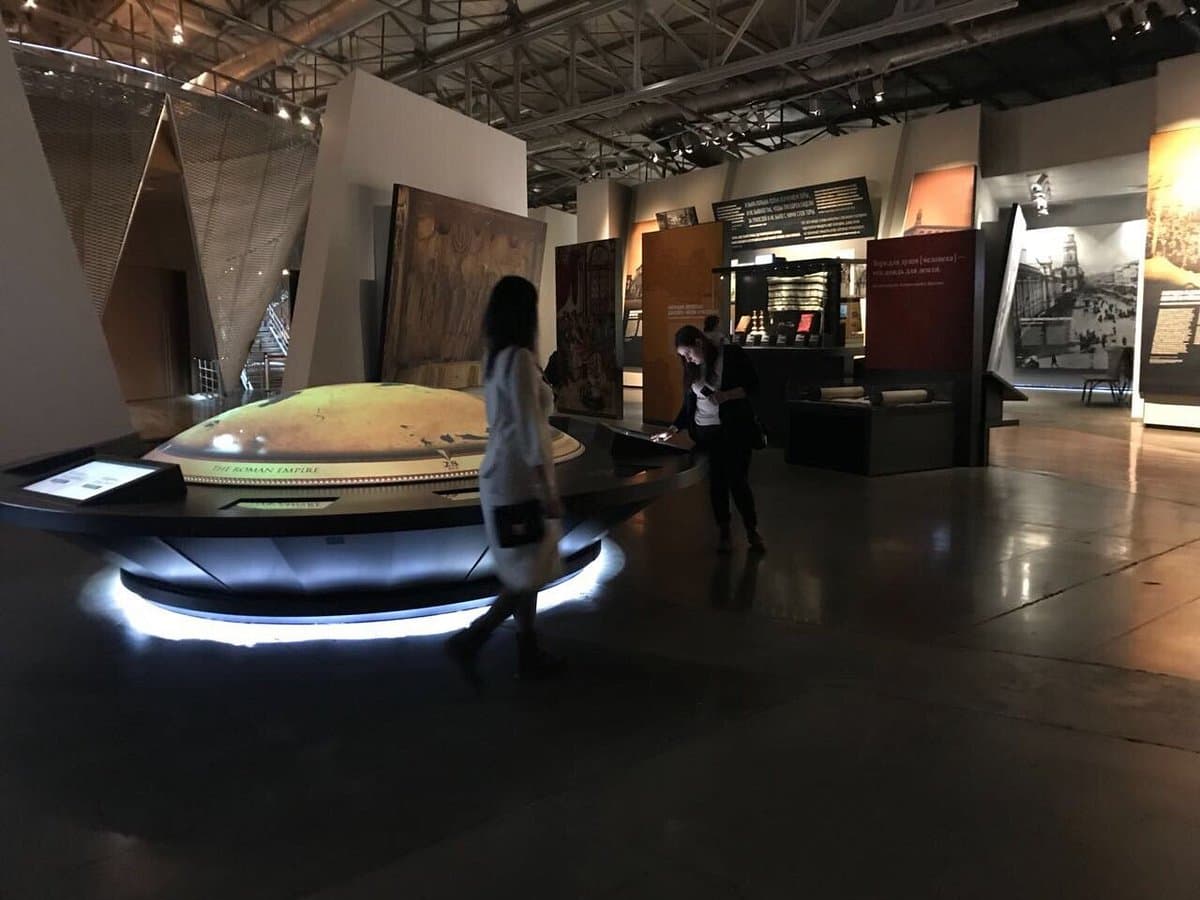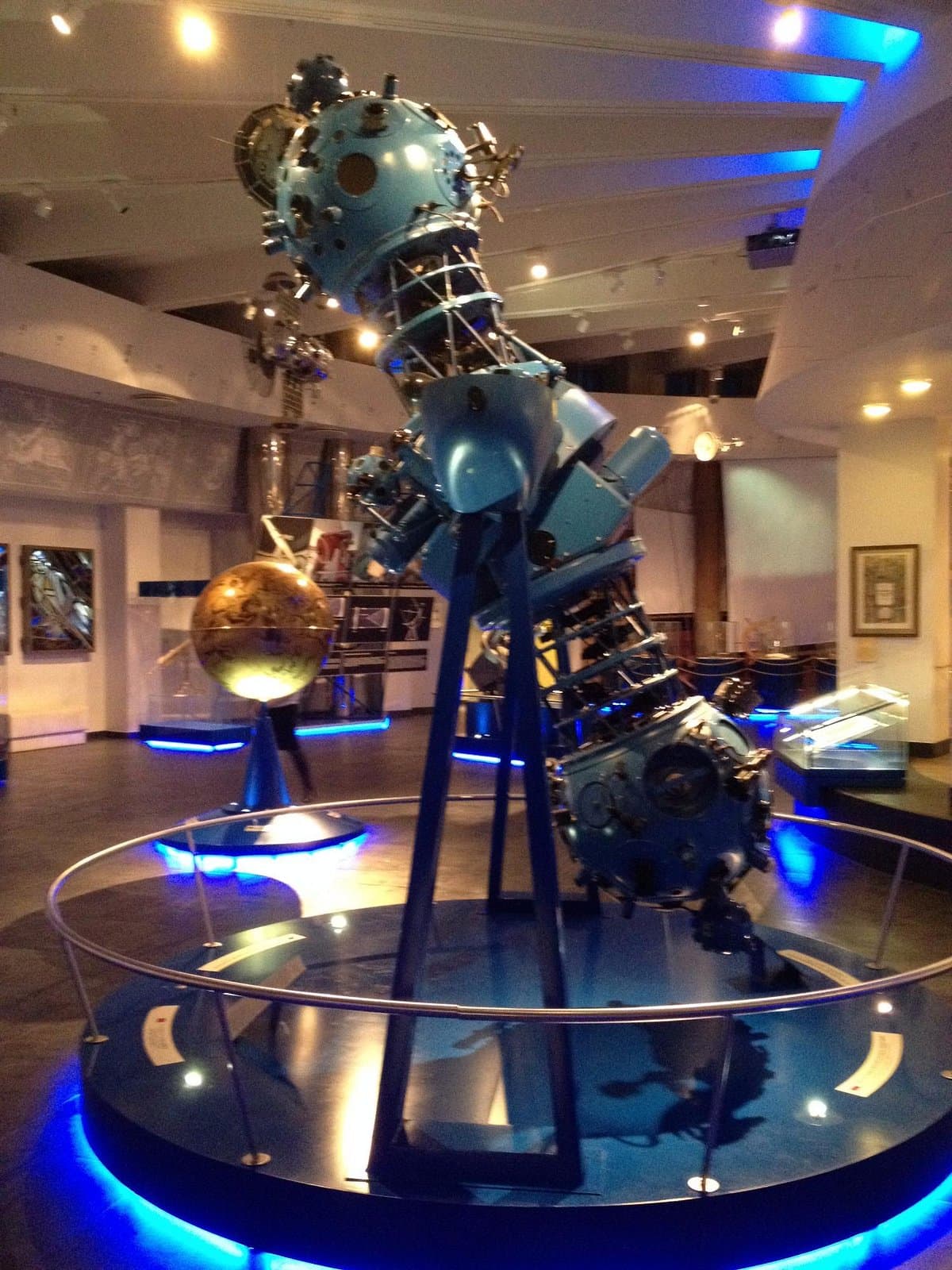
The Glinka National Museum of Musical Culture is one of the largest musical museums in the world, dedicated to preserving and showcasing the history of music. It houses an impressive collection of musical instruments from various eras and cultures, manuscripts, and personal belongings of famous composers. The museum serves as a vital cultural hub, offering a unique perspective on Russia's rich musical heritage and its global connections.
Visitors consistently highlight the museum's diverse and engaging exhibitions, particularly the vast array of musical instruments, from ancient to modern. Many appreciate the opportunity to attend concerts and lectures, which are frequently held in the main hall or the lobby featuring a Schuke organ. Reviewers often mention that checking the daily agenda in advance is crucial to catch these special events, which can significantly enhance the visit. The atmosphere is generally described as captivating, with some noting a nostalgic 'smell from childhood' that adds to the charm.
To make the most of your visit, plan to spend at least 2–3 hours exploring the exhibits. It is highly recommended to check the museum's official website for the schedule of concerts, lectures, and other events before your visit, as these can be a major highlight. Bringing a light jacket might be useful, as some areas can be cool, especially during events. While photography is generally allowed, visitors should be mindful of staff instructions regarding unpaid photos, particularly in certain exhibition areas.
The museum is conveniently located at Fadeeva, 4, in the center of Moscow. It is easily accessible by public transport. The nearest metro stations are Mayakovskaya (Маяковская) on the Zamoskvoretskaya Line (Line 2) and Novoslobodskaya (Новослободская) on the Koltsevaya Line (Line 5). From either station, the museum is a short walk of about 10–15 minutes. Several bus routes also serve the area, with stops close to the museum entrance.
A common minor complaint is the occasional strictness of staff regarding photography, particularly if not explicitly covered by the ticket. To mitigate this, visitors should inquire about photography rules upon entry or simply enjoy the exhibits without relying solely on photos. Some visitors also note that without attending a concert or special event, the experience might feel less dynamic, emphasizing the importance of checking the agenda beforehand.