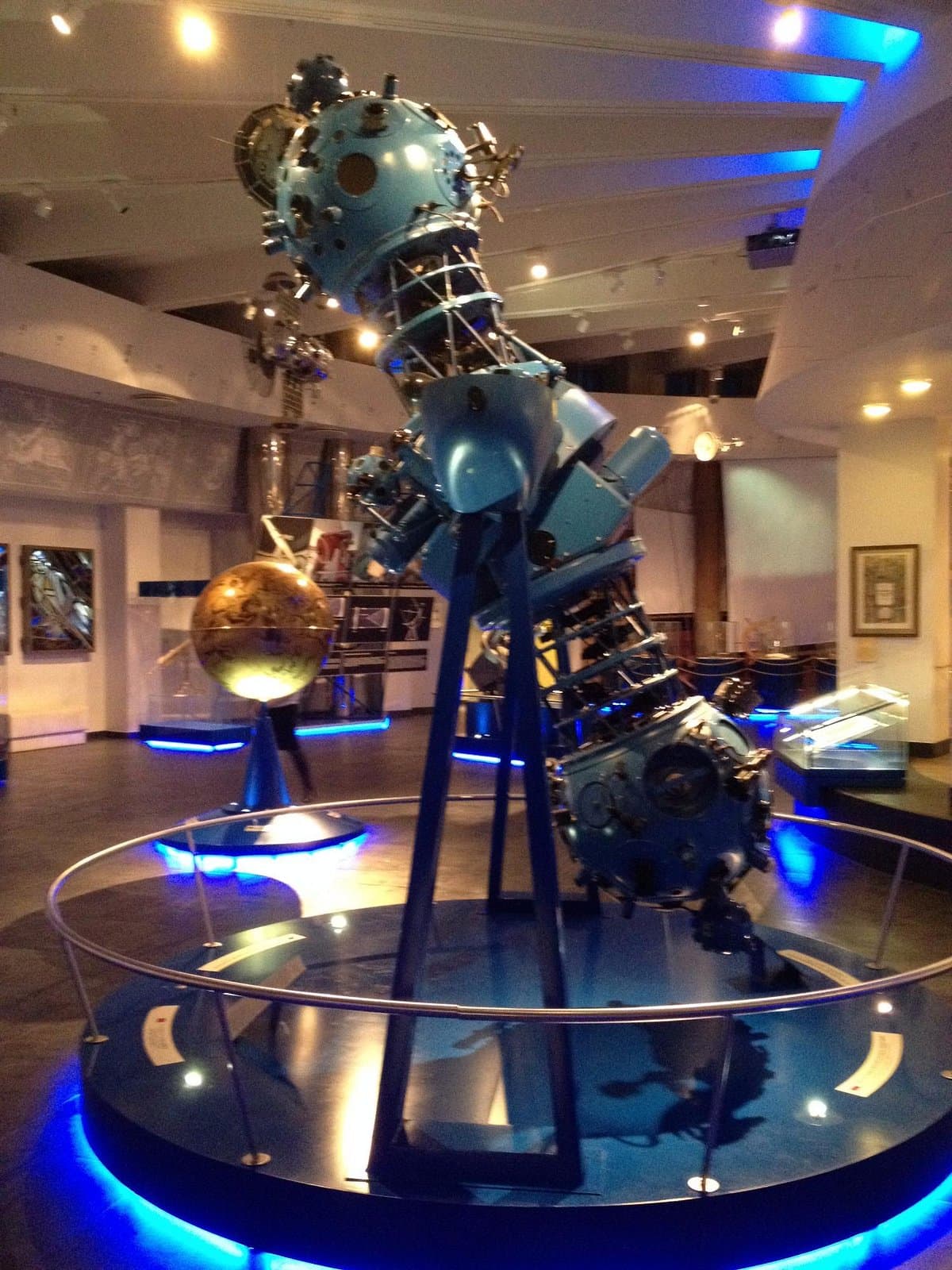
The Moscow Planetarium, one of the oldest and largest planetariums in the world, has been significantly renovated to offer a modern, immersive experience. It combines traditional astronomical education with cutting-edge technology, featuring a powerful Zeiss Universarium projector and a variety of interactive museums. Beyond standard shows, it has revived its 'Scientific Star Theatre' tradition, offering unique multimedia theatrical performances under the dome.
Visitors consistently praise the quality of the shows in the Great Star Hall, particularly those utilizing the Universarium projector, which creates a breathtakingly realistic starry sky. The interactive exhibits in the Lunarium are a major highlight, especially for children, allowing them to engage with scientific phenomena firsthand. Many reviewers recommend arriving at least an hour before a scheduled show, as the ticket often includes access to the Urania Museum, which provides historical context and astronomical displays.
Practical advice from visitors includes purchasing tickets online in advance, as the planetarium is very popular and sessions can sell out quickly. Be aware that while some shows offer English audio guides via headphones or the izi.Travel app, the primary language for tours and most explanations is Russian. Non-Russian speakers should specifically inquire about English options when booking. The planetarium can be an all-day activity, especially if exploring all the museums and attending multiple shows. It's a great option for a rainy day or as a follow-up to a visit to the nearby Moscow Zoo.
The Moscow Planetarium is conveniently located at ul. Sadovo-Kudrinskaya 5. The easiest way to reach it is by metro; the nearest station is Barrikadnaya. From the metro station, it's a short and straightforward walk. While there is a car park, it is often reserved for buses, so public transport is highly recommended. Some visitors note a lack of ramps at the entrance and numerous stairs inside, which might be a challenge for those with strollers or mobility issues.
Common complaints revolve around the ticketing system and language barrier. Several visitors express frustration with having to pay separate fees for different halls and shows, making the overall experience expensive. The lack of English-speaking staff and comprehensive English descriptions for all exhibits is another frequent concern. To mitigate this, consider downloading the izi.Travel app for audio guides and confirm English availability for shows when booking. Be prepared for crowds, especially on weekends and during school holidays.