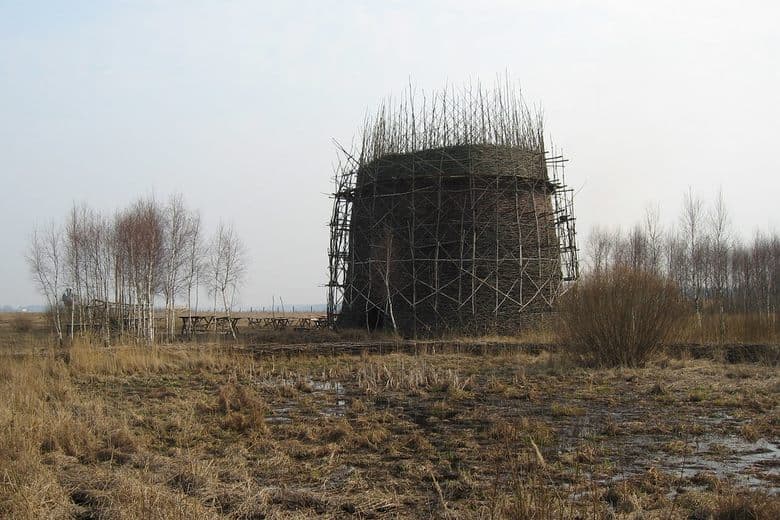
Nikola-Lenivets Art Park is the largest art park on the European continent, renowned for its monumental land art installations. It serves as an open-air museum where art, architecture, and nature converge, offering visitors a distinctive cultural experience that challenges traditional perceptions of art spaces.
Visitors consistently praise the unique scale and creativity of the sculptures, often describing the experience as immersive and thought-provoking. The vastness of the park allows for a sense of discovery, with many appreciating the opportunity to wander freely among the artworks. Reviewers frequently highlight the peaceful atmosphere and the integration of art into the natural landscape as major draws. However, some visitors note that the park's remote location and size require careful planning.
To make the most of a visit, plan for a full day or even an overnight stay, as there are several accommodation options within or near the park. Bringing comfortable walking shoes is essential due to the extensive walking involved. A picnic or snacks are recommended, as dining options might be limited depending on the season. The park is open 24 hours a day year-round, but visiting in the morning allows for viewing the artworks under the rising sun, which many find particularly atmospheric. Consider renting a bicycle within the park to cover more ground efficiently.
Getting to Nikola-Lenivets Art Park typically involves a drive, as it is located in a rural area of the Kaluga Oblast. Public transport options are limited, so driving a personal car or arranging a taxi/transfer is the most common approach. The park is situated near the small village of Nikola-Lenivets, and GPS navigation is highly recommended. Parking is available on-site.
A common complaint relates to the lack of detailed signage or maps for navigating the vast park, which can make it challenging to find all the installations. To mitigate this, visitors are advised to download an official map or app beforehand, if available, or to ask for directions at the entrance. The remote location also means that mobile phone reception can be spotty, so having offline maps or information is beneficial.