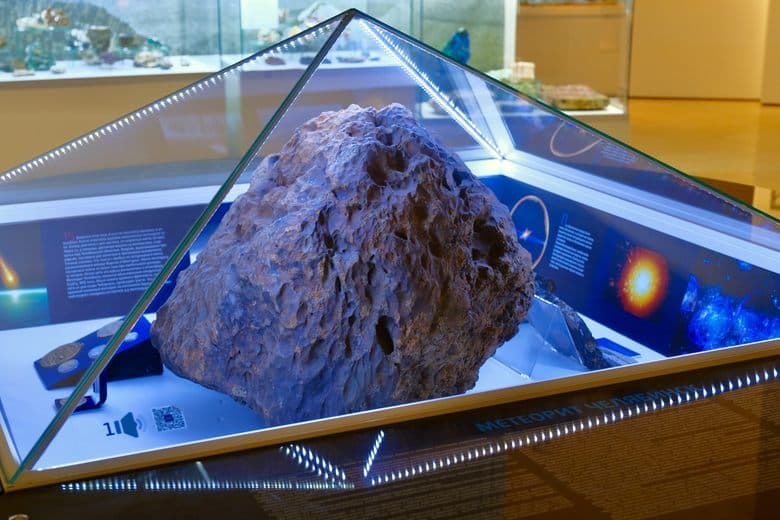
The Chelyabinsk Meteorite is the most substantial piece of an asteroid that entered Earth's atmosphere on February 15, 2013, creating a spectacular explosion brighter than the sun. This event, which occurred over the Chelyabinsk Oblast, generated a powerful shock wave that damaged buildings and caused injuries to over 1,000 people from broken glass. The meteorite, weighing 654 kilograms (1,442 pounds), was recovered from Lake Cherbakul several months after the impact and is now a central exhibit at the State History Museum of South Ural.
Visitors consistently praise the meteorite's impressive size and the detailed exhibits surrounding its impact. Many find the experience both educational and awe-inspiring, appreciating the opportunity to see such a significant piece of cosmic history up close. The museum's presentation of the event, often including videos and scientific explanations, helps visitors grasp the scale and implications of the meteor's arrival. Reviewers often highlight the unique nature of this exhibit, noting it as a must-see for anyone interested in space or natural phenomena.
To make the most of your visit, allocate at least 1-2 hours to explore the meteorite and its accompanying exhibits within the museum. The museum itself is quite extensive, so plan additional time if you wish to see other collections. It is advisable to visit during off-peak hours, such as weekday mornings, to avoid crowds and have a more intimate viewing experience. Photography is generally permitted, but check for specific restrictions upon entry. Consider combining your visit with other attractions in central Chelyabinsk, as the museum is conveniently located.
The State History Museum of South Ural is situated in the heart of Chelyabinsk, making it easily accessible by public transport. Several bus and tram lines serve the area, with stops typically within a short walking distance of the museum. If driving, limited street parking may be available, but public transport or a taxi is often recommended for convenience. The museum's central location also means it is within walking distance of other city landmarks and dining options.
While most visitors have a positive experience, some mention that the museum can get crowded, especially on weekends or during school holidays. To mitigate this, arrive early or visit on a weekday. Another minor complaint is that some explanatory texts might be primarily in Russian; however, the visual impact of the meteorite itself and the general context are usually sufficient for international visitors to appreciate the exhibit.